
Credential phishing
Fake sign-in pages that steal passwords and sessions
How it works
Pages that imitate a sign-in or document-sharing service to collect a username and password. Many relay the login to the real service as it happens (adversary-in-the-middle), so they also steal the session and get past most multi-factor prompts.
What the victim sees
- A link to a shared document, invoice, voicemail or e-signature request.
- Often a bot check or a fake CAPTCHA first.
- A sign-in page that looks like Microsoft 365, Google, Adobe or a webmail provider, on a domain that isn't theirs.
- Afterwards, the real service or an error, so nothing seems wrong.
How to defend
- Block the hostnames in the online list at the DNS resolver or proxy.
- Use phishing-resistant MFA (FIDO2 / passkeys); one-time codes and push prompts can be relayed.
- Alert on sign-ins with impossible travel or a new device right after a user visits a listed host.
- If someone entered credentials: reset the password, revoke sessions and refresh tokens, and review mailbox rules.
Known campaigns (12)
Named kits and operators behind some of these indicators. Everything else is listed without a campaign.
FlowerStormAdversary-in-the-middle (AiTM) credential and MFA relay (phishing-as-a-service)98 online599 confirmed
A phishing-as-a-service kit that steals Microsoft 365, Hotmail and GoDaddy credentials and relays MFA prompts in real time so the attacker can complete the sign-in. The fake login is drawn by a script hosted in cloud storage buckets and reports to operator servers on throwaway domains. Since 2026 some lures arrive as HTML attachments wrapped in a JavaScript virtual machine, so the email itself looks harmless to scanners.
What the victim sees
- An email with an HTML attachment (often a "voice message") or a link to a hosted page.
- A Microsoft, Outlook or GoDaddy sign-in, sometimes with the company's name in the address.
- An MFA prompt or code request that the attacker is relaying live.
Infrastructure
- Kit script: cloud object-storage buckets.
- Operator infrastructure: servers on random-word .de and similar domains.
- Lure pages: object storage, IPFS gateways and free page builders.
How to defend
- Phishing-resistant MFA (FIDO2/passkeys, Windows Hello for Business) defeats real-time relay.
- Block HTML attachments from external senders, or open them in isolation.
- Look for sign-ins followed by session use from unfamiliar IPs, and block the hosts listed below.
Whisker & PurrAdversary-in-the-middle (AiTM) and OAuth device-code phishing94 online458 confirmed
A custom phishing kit run by one operator, in two builds. The adversary-in-the-middle build sits between the victim and the real Google or Microsoft sign-in, relaying the login and stealing the session cookie, which gets past MFA. The device-code build (since 2026-07) instead sends the victim to Microsoft's real microsoft.com/devicelogin page to enter a code that signs the attacker's device in as them. Both builds share hosting and gate code, and both show scanners a decoy website: a cat café ("Whisker & Purr — Cat Lounge & Adoption Center") or a cat-food shop ("PurrFect Bites"). We also track login panels ("GeorgeGinx") on the same hosting ranges, which we assess with moderate-high confidence belong to the same operator.
Some lure pages also loaded a third-party iframe serving an iOS Safari exploit chain aimed at iOS 18.4.0–18.7.2. Keep iPhones up to date.
What the victim sees
- A shared document (often Dropbox Paper or an Adobe Acrobat cloud share titled like a SharePoint file) or a tracked email link.
- A short bot check, sometimes a Microsoft-branded "Help us secure your account" CAPTCHA.
- Either a pixel-perfect Google or Microsoft sign-in on a lookalike subdomain (login., accounts., myaccount.), or a "SharePoint — Secure document" page that opens Microsoft's real device-login page and asks for a code.
- Afterwards, the real service. Nothing looks wrong.
Infrastructure
- Phishing hosts: cheap domains whose origins sit on Evoxt (AS149440), mostly behind Cloudflare.
- Redirectors: throwaway AWS S3 and Azure Blob static sites (*.web.core.windows.net), cPanel sites and compromised small-business websites.
- Operator infrastructure: login panels on the same Evoxt ranges.
How to defend
- Phishing-resistant MFA (FIDO2/passkeys, Windows Hello for Business) defeats the adversary-in-the-middle build.
- If your users don't need it, block the device-code flow with Conditional Access (Authentication flows → Device code flow); this defeats the device-code build.
- Look for sign-ins followed by session reuse from an unfamiliar IP or ASN, and for device-code sign-ins (authentication protocol "deviceCode") from users who don't normally use them.
- Block the whole domain of a phishing host, including every subdomain. The decoy page is the same server.
Other phishing kitsCredential phishing and malware lures215 online375 confirmed
Confirmed phishing pages from smaller or not-yet-named kits: fake Microsoft, Google, webmail and bank sign-in pages, document-share lures that deliver malware archives, and pages that relay credentials to an operator who decides in real time what the victim sees next. Each was confirmed as malicious, but isn't attributed to a named kit.
What the victim sees
- A link to a shared document, voicemail, invoice or account notice.
- A copy of a well-known sign-in page or document viewer, sometimes after a CAPTCHA.
- An error or a redirect to the real site after credentials are entered, or a file download.
Infrastructure
- Phishing pages: cheap domains, compromised websites, free static and serverless hosting, object storage and developer preview hosts.
How to defend
- Phishing-resistant MFA (FIDO2/passkeys) blocks most credential replay.
- Reset credentials and revoke sessions for anyone who entered them.
- Block the hosts listed below.
DarkSword / Coruna iPhone exploit deliveryMobile exploit kit: drive-by iOS exploit chains delivered from web pages173 online329 confirmed
Web pages that compromise iPhones simply by being opened. The pages carry a hidden frame that checks the visitor's iOS version and, on a vulnerable iPhone, runs one of two leaked exploit kits: DarkSword (iOS 18.4 to 18.7) or Coruna (iOS 13 to 17.2.1). Once the phone is compromised, the kit copies the keychain (saved passwords and tokens) and crypto-wallet files to the operator's server. The most common lure is a fake Cloudflare "verify you are human" page that shows desktop visitors a QR code to open it on a phone, pushes in-app browsers to Safari, and finally redirects to a real crypto exchange so nothing looks wrong. The same exploit frame is also pasted into scam, smishing, gambling and video sites, and sold as a one-line script service. Operators run the kit from Chinese-language admin panels that are themselves resold.
This is not phishing: the victim types nothing. Opening the page on an unpatched iPhone is enough.
What the victim sees
- A link in a text message, social post or ad, often crypto- or investment-themed.
- A "verify you are human" check; on a computer, a QR code saying the site only works on a phone.
- On an iPhone, a short "verifying" screen and then the real OKX (or another brand) website.
Infrastructure
- Lure pages: cheap domains and bare IP addresses, many reusing the same fake check page.
- Exploit servers that host the exploit chain and receive the stolen keychain and wallet files (listed under Kit backends).
- Operator panels on VPS hosting, often on bare IP addresses (listed under Kit backends).
How to defend
- Update iPhones to the latest iOS: these kits target older versions.
- Turn on Lockdown Mode for people likely to be targeted (crypto holders, executives).
- Block the lure pages and the backends at DNS or in the MDM web filter.
- If an iPhone opened one of these pages: update it, change the passwords saved on it, revoke sessions, and move crypto funds to a new wallet.
Unattributed operator panelsPhishing operator infrastructure93 online134 confirmed
Login panels and backend servers that phishing operators use to run campaigns and collect stolen credentials or tokens, where we haven't tied the panel to a named kit. Victims never see these servers directly: lure pages report to them, and operators log in to them to manage campaigns and use what was stolen.
What the victim sees
- Nothing directly. Victims interact with lure pages, which send what they enter to these servers.
Infrastructure
- Operator panels and backends on VPS and cloud hosting, often on bare IP addresses or throwaway domains.
How to defend
- Block these addresses at the network edge: outbound connections to them from your network suggest a compromised browser session or an insider test.
- Search proxy and DNS logs for past connections to them.
WazzaOAuth device-code phishing (multi-stage, bot-protected)17 online65 confirmed
A phishing kit named publicly in October 2026 that targets banking, manufacturing and government organisations in the US, Europe and Australia. Victims pass through several hops: a Google Sites page, a branded "access" loading page on random subdomains of aged European domains, and a bot-protected gate, before an Adobe-themed Microsoft device-code page. The apex domains show fake European company websites to anyone who visits them directly.
What the victim sees
- A Google Sites link in an email.
- A short branded "loading"/"access" screen, then a verification step.
- An Adobe-style document page that asks for a Microsoft device code.
Infrastructure
- Phishing pages: random subdomains of aged .eu domains, plus some .com.
- Gates on Vercel, and decoy company websites on the apex domains.
How to defend
- If your users don't need it, block the device-code flow with Conditional Access (Authentication flows → Device code flow).
- Look for device-code sign-ins (authentication protocol "deviceCode") from users who don't normally use them, and revoke the user's sessions and refresh tokens if one is found.
- Block the hosts listed below.
Telegram and Discord credential harvestersCredential phishing (stolen data sent to a chat bot)13 online32 confirmed
Single-page fake sign-in forms with no server of their own. Whatever the victim types (email, password, sometimes MFA codes or personal details) is sent straight from their browser to a Telegram bot or Discord channel run by the attacker, along with the victim's IP address and location. Many first show a fake "wrong password" error to collect a second attempt, then send the victim to the real site.
What the victim sees
- A link to a shared file, invoice, voicemail or mailbox notice.
- A sign-in page for Microsoft/Outlook, a webmail provider, DocuSign or a bank, often pre-filled with the victim's email.
- An error after the first password, then the real website.
Infrastructure
- Phishing pages: free static hosting (Vercel, Netlify, GitHub Pages, Replit and similar), file-sharing and form services, and cheap domains.
How to defend
- Phishing-resistant MFA (FIDO2/passkeys) makes the stolen password useless on its own.
- Block outbound requests to the Telegram and Discord bot APIs from browsers where they aren't needed.
- Reset passwords and revoke sessions for anyone who entered credentials, and block the hosts listed below.
GHOST_PANELOAuth device-code phishing (phishing-as-a-service)4 online24 confirmed
A device-code phishing kit sold to many customers. It is likely phishing-as-a-service: more than 100 separate customer deployments share a common pool of backends. A lure page asks the victim to verify themselves or open a shared document, shows a real Microsoft device code, and opens microsoft.com/devicelogin in a popup. When the victim signs in, the operator receives their tokens and the victim is sent to a decoy document. Lures are encrypted in the browser to hide them from scanners. Some deployments add a second, fake "additional verification" step after sign-in.
What the victim sees
- A link from an email marketing service, a Google share link, a QR code or a compromised website.
- A OneDrive, SharePoint, Adobe, Teams, voicemail or "Document Share Verification" page with a "Generate code" button.
- Microsoft's real device-login page in a popup, then a decoy document. A few deployments push a remote-management (RMM) installer instead.
Infrastructure
- Phishing hosts: Cloudflare Workers (*.workers.dev), BunnyCDN storage, Vercel, Netlify, Firebase and custom or compromised domains.
- Operator infrastructure: backend servers that issue codes and collect tokens, mostly behind Cloudflare.
How to defend
- If your users don't need it, block the device-code flow with Conditional Access (Authentication flows → Device code flow).
- Look for device-code sign-ins (authentication protocol "deviceCode") from users who don't normally use them.
- Block the backend servers listed below as operator infrastructure. They outlive individual lures.
Device Code LabOAuth device-code phishing (phishing-as-a-service)5 online16 confirmed
A professional device-code phishing platform (formerly known as AUTHOV) that sells landing pages and a token backend with post-compromise features. Its landing pages pose as document-sharing or e-signature notices and hand the victim a Microsoft device code; once the victim enters it on Microsoft's site, the operator holds valid tokens for their account.
What the victim sees
- A document-share or e-signature notice (DocuSign, Adobe, Microsoft themes).
- A page with a code to copy and a link to Microsoft's real device-login page.
- A decoy or blank page after the code is entered.
Infrastructure
- Phishing pages: serverless hosting such as *.workers.dev and cheap domains.
- Operator infrastructure: the platform's token backends.
How to defend
- If your users don't need it, block the device-code flow with Conditional Access (Authentication flows → Device code flow).
- Look for device-code sign-ins (authentication protocol "deviceCode") from users who don't normally use them, and revoke the user's sessions and refresh tokens if one is found.
- Block the hosts listed below.
EvilTokensOAuth device-code phishing (phishing-as-a-service)7 online9 confirmed
A device-code phishing service rented to many affiliates, some of whom run their own branded panels on top of it (one is known as ARToken). A lure page shows a document, voicemail or e-signature theme, gets a real Microsoft device code from the operator's backend, and asks the victim to enter it on Microsoft's own sign-in page. Entering the code signs the attacker's session in as the victim, so the attacker receives tokens without ever seeing a password, and MFA does not stop it. Lure pages filter out visitors that look like security tools and are rotated quickly across free hosting platforms.
What the victim sees
- An email or shared link to a document, voicemail, invoice or e-signature request (Microsoft, DocuSign, Adobe themes are common).
- A short "verifying you're human" step, then a page showing a code and a button to copy it.
- Microsoft's real microsoft.com/devicelogin page, often in a popup. After the code is entered, a decoy document or a real site.
Infrastructure
- Phishing pages: mostly serverless and free hosting (Cloudflare Workers *.workers.dev, Vercel, GitHub Pages and similar) plus cheap domains.
- Operator infrastructure: backend servers that issue codes and collect tokens.
How to defend
- If your users don't need it, block the device-code flow with Conditional Access (Authentication flows → Device code flow).
- Look for device-code sign-ins (authentication protocol "deviceCode") from users who don't normally use them, and revoke the user's sessions and refresh tokens if one is found.
- Block the hosts listed below.
- After a confirmed sign-in, check for new inbox rules, app consents, and registered devices or MFA methods.
Other device-code phishing kitsOAuth device-code phishing1 online1 confirmed
Device-code phishing pages from smaller or not-yet-named kits. They all work the same way: the page shows the victim a real Microsoft device code and sends them to Microsoft's genuine sign-in page to enter it, which signs the attacker in as the victim. Common themes are shared documents, voicemail messages, Teams meetings and internal finance files. Pages here have been confirmed as malicious but are not attributed to a named kit.
What the victim sees
- A shared document, voicemail, meeting invite or "secure file" notice.
- Often a bot check first: a sum to solve, or a fake "Just a moment…" security check branded as OneDrive, Adobe, Teams or DocuSign.
- A code with a copy button, sometimes branded with the victim's own company logo, and a link to microsoft.com/devicelogin.
Infrastructure
- Phishing pages: bare IP addresses, cheap domains, compromised websites and serverless hosting.
How to defend
- If your users don't need it, block the device-code flow with Conditional Access (Authentication flows → Device code flow).
- Look for device-code sign-ins (authentication protocol "deviceCode") from users who don't normally use them, and revoke the user's sessions and refresh tokens if one is found.
- Block the hosts listed below.
ForgeMailerMicrosoft 365 account takeover and business email compromise (operator panel)1 online1 confirmed
An all-in-one operator console for taking over Microsoft 365 accounts and using them for business email compromise. From one panel an operator sends phishing campaigns, captures access (device-code phishing, adversary-in-the-middle session theft, malicious OAuth app consent, and fake webmail logins), and then works inside the stolen mailbox: refreshing tokens, reading mail, replying inside real conversations with external contacts to spread the attack, and adding their own MFA methods to keep access.
What the victim sees
- A voicemail, document-share, SharePoint, calendar or security-alert lure, sometimes sent from a real, already-compromised mailbox.
- A themed page with a code to enter on Microsoft's site, a fake sign-in, or an app permission prompt.
- Later, contacts may receive replies in genuine email threads that contain a new link.
Infrastructure
- Operator infrastructure: the panel itself, behind Cloudflare.
- Phishing pages and gates generated by the panel, on subdomains of operator-owned domains.
How to defend
- Block the device-code flow with Conditional Access where it isn't needed, and turn off or restrict user consent to apps.
- Alert on new MFA methods (phone, email, authenticator, security key) added soon after a risky or device-code sign-in.
- In Exchange Online, reject unauthenticated Direct Send, and look for replies on existing external threads that suddenly add a link.
- Block the hosts listed below.
What it looks like
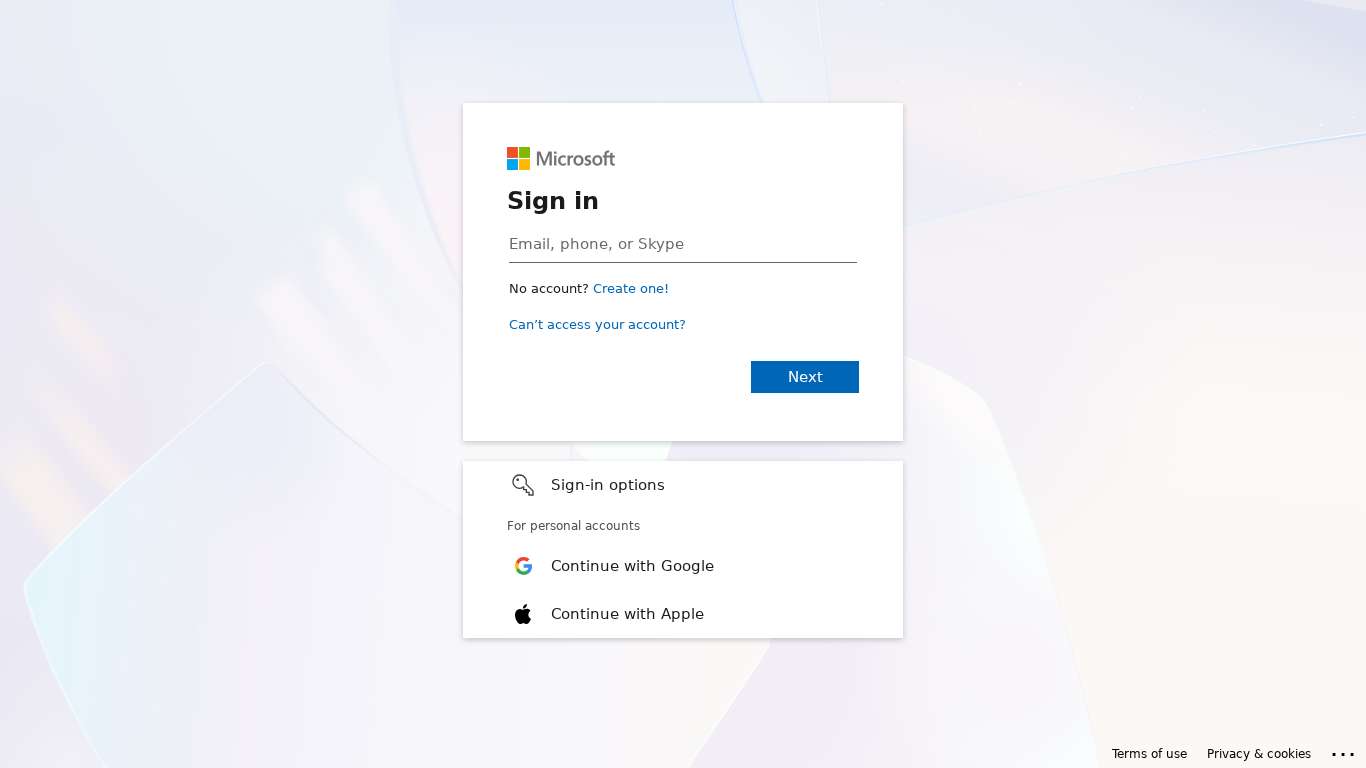 Microsoft · 2026-11-17
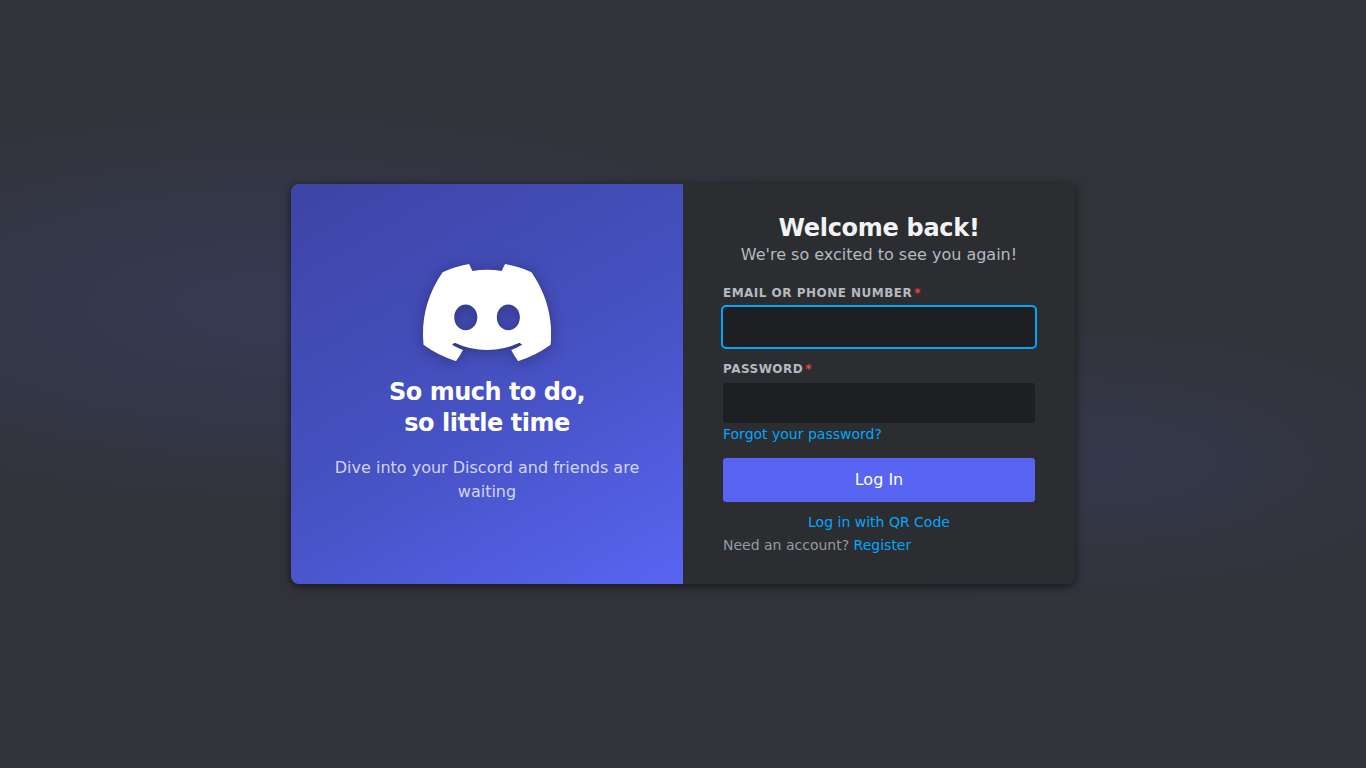 Phishing page · 2026-11-23
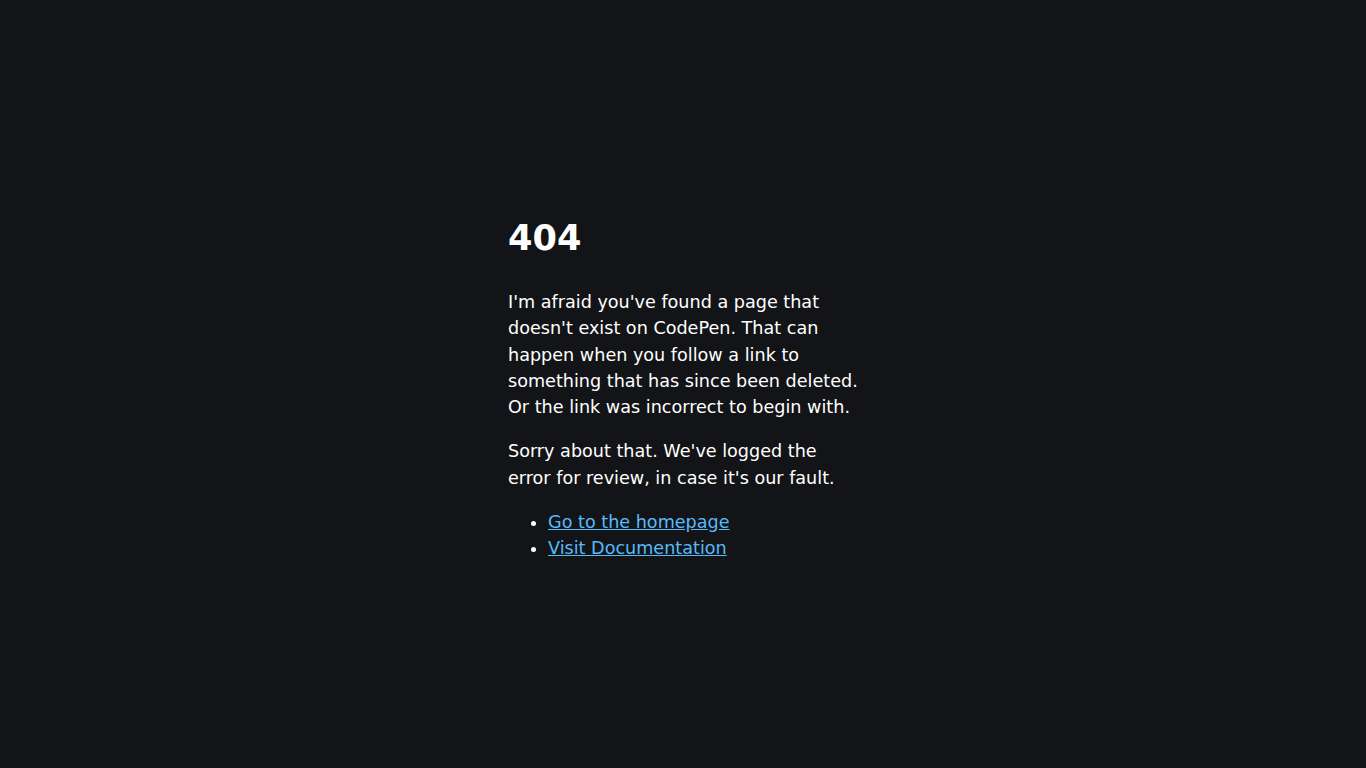 DocuSign · 2026-10-29
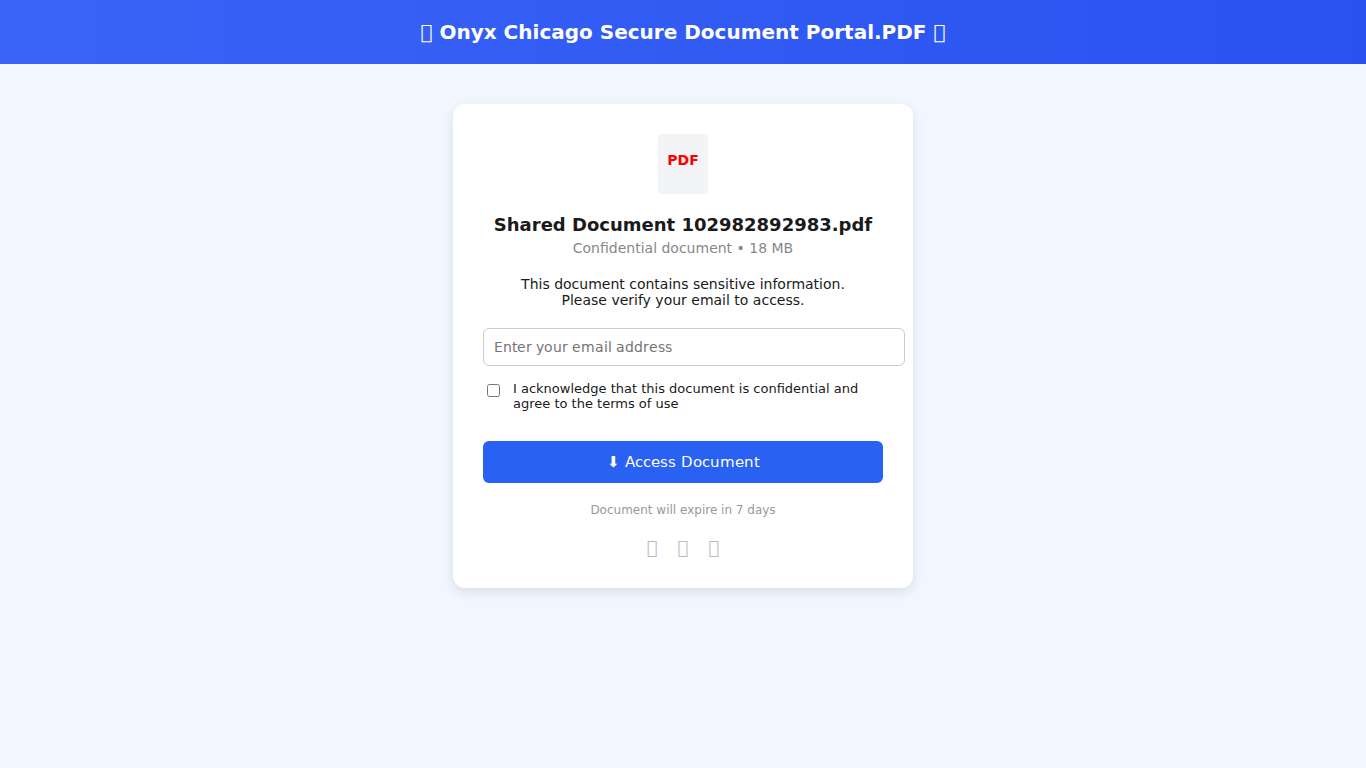 Phishing page · 2026-10-30
 Phishing page · 2026-10-20
 Microsoft · 2026-11-27
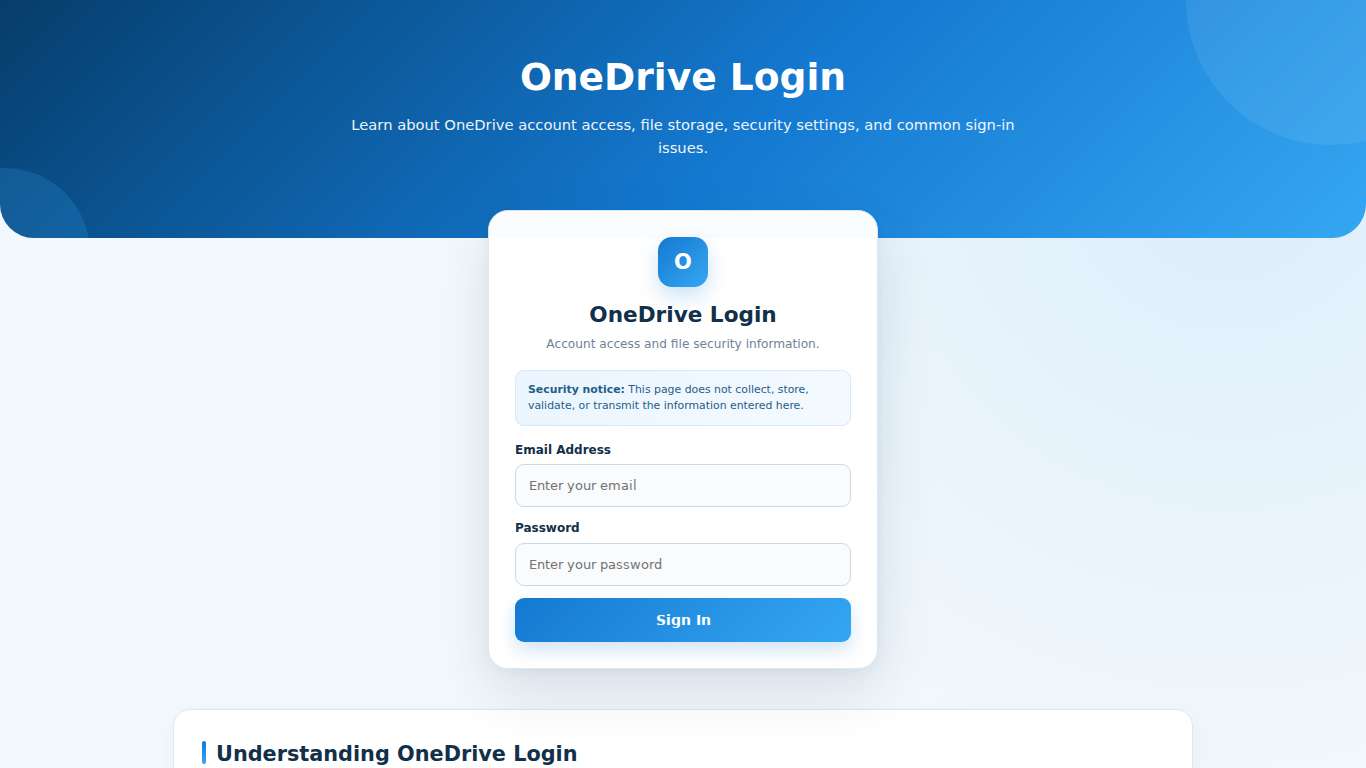
Screenshots of confirmed pages, captured by us. Parts that could identify a victim are never shown.
Payloads
All 5 →| SHA-256 | File | Last seen |
|---|---|---|
| ae75ef474f3a2c79… | Docx_xlx.exe | 2026-11-18 |
| 5814f6fb2b16ca19… | adobe_installer.msi | 2026-11-09 |
| dff6ca1cca25d2b1… | ScreenConnect.ClientSetup.exe | 2026-11-04 |
| ac441c8d5b71fb0e… | ScreenConnect.ClientSetup.exehacktool.connectwise/connectwisecontrol | 2026-11-04 |
| 4d9f4a33893d88d3… | ScreenConnect.ClientSetup.exehacktool.connectwisecontrol/connectwise | 2026-10-21 |
Indicators
| Indicator | Stage | First seen | Status |
|---|---|---|---|
5myerhizmetleri[.]comhxxps://5myerhizmetleri[.]com/file/adobefile[.]html | Phishing page | 2026-11-28 | online |
104[.]207[.]71[.]38hxxp://104[.]207[.]71[.]38:8099/Other phishing kits | Phishing page | 2026-11-27 | online |
accountmgfdletgetupdated[.]org | Redirector | 2026-11-27 | online |
brisasdelago[.]comhxxps://brisasdelago[.]com/access/access/viewnowpls[.]html | Phishing page | 2026-11-27 | online |
document-share69[.]s3[.]us-east-2[.]amazonaws[.]comhxxps://document-share69[.]s3[.]us-east-2[.]amazonaws[.]com/docu-sign[.]html | Phishing page | 2026-11-27 | online |
nicholasmeale-contract-proposal-payments-secure-portal[.]pages[.]devOther phishing kits | Phishing page | 2026-11-27 | online |
trackit[.]net[.]inhxxps://msactv29321[.]trackit[.]net[.]in/Other phishing kits | Phishing page | 2026-11-27 | online |
207[.]148[.]23[.]3 | Phishing page | 2026-11-26 | online |
31[.]56[.]19[.]42 | Phishing page | 2026-11-26 | online |
66[.]55[.]128[.]94 | Phishing page | 2026-11-26 | online |
docu-sign[.]sbsOther phishing kits | Phishing page | 2026-11-26 | online |
login-microsoftonline[.]45[.]81[.]7[.]170[.]sslip[.]ioOther phishing kits | Phishing page | 2026-11-26 | online |
webinar-attendance[.]comhxxps://cloud[.]webinar-attendance[.]com/ | Phishing page | 2026-11-26 | online |
webinar-meetup[.]comhxxps://cloud[.]webinar-meetup[.]com/ | Phishing page | 2026-11-26 | online |
xn--semillitaspeaflor-qxb[.]clhxxps://xn--semillitaspeaflor-qxb[.]cl/microsoft/[redacted]/80X3VwFiZg8w | Phishing page | 2026-11-26 | online |
chocolte[.]shophxxps://chocolte[.]shop/jonicglass/denied[.]html | Phishing page | 2026-11-25 | online |
glapson[.]comhxxps://glapson[.]com/br/Adobe_Installer[.]html | Phishing page | 2026-11-25 | online |
smmpanel[.]todayhxxps://smmpanel[.]today/New/Adobe_Installer[.]html | Phishing page | 2026-11-25 | online |
39[.]109[.]101[.]168DarkSword / Coruna iPhone exploit delivery | Operator infrastructure | 2026-11-25 | online |
43[.]166[.]246[.]94Unattributed operator panels | Operator infrastructure | 2026-11-25 | online |
43[.]225[.]158[.]188hxxp://43[.]225[.]158[.]188:3000/DarkSword / Coruna iPhone exploit delivery | Operator infrastructure | 2026-11-25 | online |
78[.]232[.]54[.]149hxxp://78[.]232[.]54[.]149:5000/Other phishing kits | Phishing page | 2026-11-24 | online |
adobesign[.]pages[.]devOther phishing kits | Phishing page | 2026-11-24 | online |
d78qoo[.]prohxxps://d78qoo[.]pro/clickChallenge[.]php | Redirector | 2026-11-24 | online |
dermapurity[.]inhxxps://dermapurity[.]in/index[.]html | Phishing page | 2026-11-24 | online |
geski[.]clickhxxps://check[.]geski[.]click/indaboski[.]html | Phishing page | 2026-11-24 | online |
lcds-display[.]jphxxps://www[.]lcds-display[.]jp/black_verify | Redirector | 2026-11-24 | online |
microlnkexpress[.]eu[.]cc | Phishing page | 2026-11-24 | online |
reasonablywelldone[.]sbshxxps://account-wbegljkp9[.]reasonablywelldone[.]sbs/ | Phishing page | 2026-11-24 | online |
reconciliation[.]cyouhxxps://api-14dhi6xnl[.]reconciliation[.]cyou/[redacted] | Phishing page | 2026-11-24 | online |
s8wp7w[.]prohxxps://s8wp7w[.]pro/clickChallenge[.]php | Redirector | 2026-11-24 | online |
sharepoint-graham-knowles-iqrenew-final-cancellation[.]pages[.]devOther phishing kits | Phishing page | 2026-11-24 | online |
vibetoronagereftam[.]sbshxxps://account-m2adp69i5[.]vibetoronagereftam[.]sbs/ | Phishing page | 2026-11-24 | online |
107[.]174[.]158[.]185DarkSword / Coruna iPhone exploit delivery | Operator infrastructure | 2026-11-24 | online |
112[.]213[.]105[.]139DarkSword / Coruna iPhone exploit delivery | Operator infrastructure | 2026-11-24 | online |
118[.]107[.]6[.]226hxxp://118[.]107[.]6[.]226:2000/DarkSword / Coruna iPhone exploit delivery | Operator infrastructure | 2026-11-24 | online |
120[.]26[.]152[.]162hxxp://120[.]26[.]152[.]162:8888/DarkSword / Coruna iPhone exploit delivery | Operator infrastructure | 2026-11-24 | online |
129[.]226[.]169[.]124DarkSword / Coruna iPhone exploit delivery | Operator infrastructure | 2026-11-24 | online |
130[.]94[.]16[.]113hxxp://130[.]94[.]16[.]113:8020/DarkSword / Coruna iPhone exploit delivery | Operator infrastructure | 2026-11-24 | online |
140[.]150[.]236[.]221DarkSword / Coruna iPhone exploit delivery | Operator infrastructure | 2026-11-24 | online |
156[.]240[.]50[.]201hxxp://156[.]240[.]50[.]201:8888/DarkSword / Coruna iPhone exploit delivery | Operator infrastructure | 2026-11-24 | online |
156[.]254[.]7[.]12hxxp://156[.]254[.]7[.]12:2000/DarkSword / Coruna iPhone exploit delivery | Operator infrastructure | 2026-11-24 | online |
163[.]8[.]216[.]54hxxp://163[.]8[.]216[.]54:8888/DarkSword / Coruna iPhone exploit delivery | Operator infrastructure | 2026-11-24 | online |
189[.]24[.]65[.]20hxxp://189[.]24[.]65[.]20:8020/DarkSword / Coruna iPhone exploit delivery | Operator infrastructure | 2026-11-24 | online |
192[.]252[.]180[.]10hxxp://192[.]252[.]180[.]10:8020/DarkSword / Coruna iPhone exploit delivery | Operator infrastructure | 2026-11-24 | online |
207[.]148[.]119[.]205hxxp://207[.]148[.]119[.]205:8888/DarkSword / Coruna iPhone exploit delivery | Operator infrastructure | 2026-11-24 | online |
212[.]50[.]249[.]59hxxp://212[.]50[.]249[.]59:8020/DarkSword / Coruna iPhone exploit delivery | Operator infrastructure | 2026-11-24 | online |
43[.]162[.]114[.]107hxxp://43[.]162[.]114[.]107:4000/login | Operator infrastructure | 2026-11-24 | online |
43[.]165[.]65[.]182hxxp://43[.]165[.]65[.]182:8020/DarkSword / Coruna iPhone exploit delivery | Operator infrastructure | 2026-11-24 | online |
43[.]166[.]240[.]15Unattributed operator panels | Operator infrastructure | 2026-11-24 | online |
45[.]192[.]110[.]60hxxp://45[.]192[.]110[.]60:8888/DarkSword / Coruna iPhone exploit delivery | Operator infrastructure | 2026-11-24 | online |
47[.]238[.]68[.]197hxxp://47[.]238[.]68[.]197:8081/DarkSword / Coruna iPhone exploit delivery | Operator infrastructure | 2026-11-24 | online |
47[.]76[.]224[.]8hxxp://47[.]76[.]224[.]8:8888/DarkSword / Coruna iPhone exploit delivery | Operator infrastructure | 2026-11-24 | online |
85[.]137[.]252[.]234hxxp://85[.]137[.]252[.]234:8000/DarkSword / Coruna iPhone exploit delivery | Operator infrastructure | 2026-11-24 | online |
85[.]137[.]51[.]65hxxp://85[.]137[.]51[.]65:8081/DarkSword / Coruna iPhone exploit delivery | Operator infrastructure | 2026-11-24 | online |
alphanaviai[.]comUnattributed operator panels | Operator infrastructure | 2026-11-24 | online |
invite-info[.]sbs | Operator infrastructure | 2026-11-24 | online |
seasonalnursary[.]com | Operator infrastructure | 2026-11-24 | online |
visioncreditrepairs[.]com | Operator infrastructure | 2026-11-24 | online |
104[.]152[.]190[.]250Telegram and Discord credential harvesters | Phishing page | 2026-11-23 | online |
167[.]172[.]250[.]121 | Phishing page | 2026-11-23 | online |
davemarszalec-org-contract-proposal-secure-payment-portal[.]pages[.]devOther phishing kits | Phishing page | 2026-11-23 | online |
downloadfjbfssswehjhggdswwfdownloadgddzoomloadedxsshgfrv[.]cfd | Phishing page | 2026-11-23 | online |
inviteserver[.]com | Phishing page | 2026-11-23 | online |
laura-martin-contract-proposal-payments-secure-portal[.]pages[.]devOther phishing kits | Phishing page | 2026-11-23 | online |
mediafire[.]my[.]idhxxps://www[.]mediafire[.]my[.]id/ | Phishing page | 2026-11-23 | online |
melisa-bid-invitation-payments-secure-portal[.]pages[.]devOther phishing kits | Phishing page | 2026-11-23 | online |
pkfods[.]nethxxps://pkfods[.]pkfods[.]net/ | Phishing page | 2026-11-23 | online |
uppijq[.]prohxxps://uppijq[.]pro/clickChallenge[.]php | Redirector | 2026-11-23 | online |
142[.]86[.]119[.]107Unattributed operator panels | Operator infrastructure | 2026-11-23 | online |
142[.]86[.]119[.]250Unattributed operator panels | Operator infrastructure | 2026-11-23 | online |
142[.]86[.]4[.]200Unattributed operator panels | Operator infrastructure | 2026-11-23 | online |
142[.]86[.]5[.]51Unattributed operator panels | Operator infrastructure | 2026-11-23 | online |
142[.]86[.]88[.]6Unattributed operator panels | Operator infrastructure | 2026-11-23 | online |
142[.]86[.]93[.]94Unattributed operator panels | Operator infrastructure | 2026-11-23 | online |
142[.]86[.]99[.]247Unattributed operator panels | Operator infrastructure | 2026-11-23 | online |
161[.]120[.]219[.]223Unattributed operator panels | Operator infrastructure | 2026-11-23 | online |
161[.]120[.]220[.]120Unattributed operator panels | Operator infrastructure | 2026-11-23 | online |
161[.]120[.]221[.]125Unattributed operator panels | Operator infrastructure | 2026-11-23 | online |
161[.]120[.]222[.]177Unattributed operator panels | Operator infrastructure | 2026-11-23 | online |
161[.]120[.]222[.]56Unattributed operator panels | Operator infrastructure | 2026-11-23 | online |
43[.]130[.]121[.]194Unattributed operator panels | Operator infrastructure | 2026-11-23 | online |
43[.]130[.]46[.]9Unattributed operator panels | Operator infrastructure | 2026-11-23 | online |
43[.]130[.]67[.]231Unattributed operator panels | Operator infrastructure | 2026-11-23 | online |
43[.]130[.]76[.]157Unattributed operator panels | Operator infrastructure | 2026-11-23 | online |
43[.]131[.]6[.]173Unattributed operator panels | Operator infrastructure | 2026-11-23 | online |
43[.]153[.]1[.]82Unattributed operator panels | Operator infrastructure | 2026-11-23 | online |
43[.]153[.]5[.]238Unattributed operator panels | Operator infrastructure | 2026-11-23 | online |
43[.]157[.]106[.]18Unattributed operator panels | Operator infrastructure | 2026-11-23 | online |
43[.]157[.]4[.]187Unattributed operator panels | Operator infrastructure | 2026-11-23 | online |
43[.]166[.]210[.]34Unattributed operator panels | Operator infrastructure | 2026-11-23 | online |
43[.]166[.]216[.]67Unattributed operator panels | Operator infrastructure | 2026-11-23 | online |
43[.]166[.]222[.]177Unattributed operator panels | Operator infrastructure | 2026-11-23 | online |
43[.]166[.]226[.]107Unattributed operator panels | Operator infrastructure | 2026-11-23 | online |
43[.]166[.]240[.]133Unattributed operator panels | Operator infrastructure | 2026-11-23 | online |
43[.]173[.]71[.]245Unattributed operator panels | Operator infrastructure | 2026-11-23 | online |
49[.]51[.]169[.]98Unattributed operator panels | Operator infrastructure | 2026-11-23 | online |
104[.]248[.]15[.]129hxxps://104-248-15-129[.]cprapid[.]com/ | Phishing page | 2026-11-22 | online |
45[.]63[.]19[.]13 | Phishing page | 2026-11-22 | online |
arch-z39[.]pages[.]devhxxps://arch-z39[.]pages[.]dev/en/ | Phishing page | 2026-11-22 | online |
Nothing matches. Try the archive or clear the filters.